
6 AM to Sundown: Inside a Nivaran Foundation Health Camp in Rural Nepal
From setting up tents before dawn to the last patient at dusk, here is what a day of healthcare delivery looks like in a village that has never seen a doctor
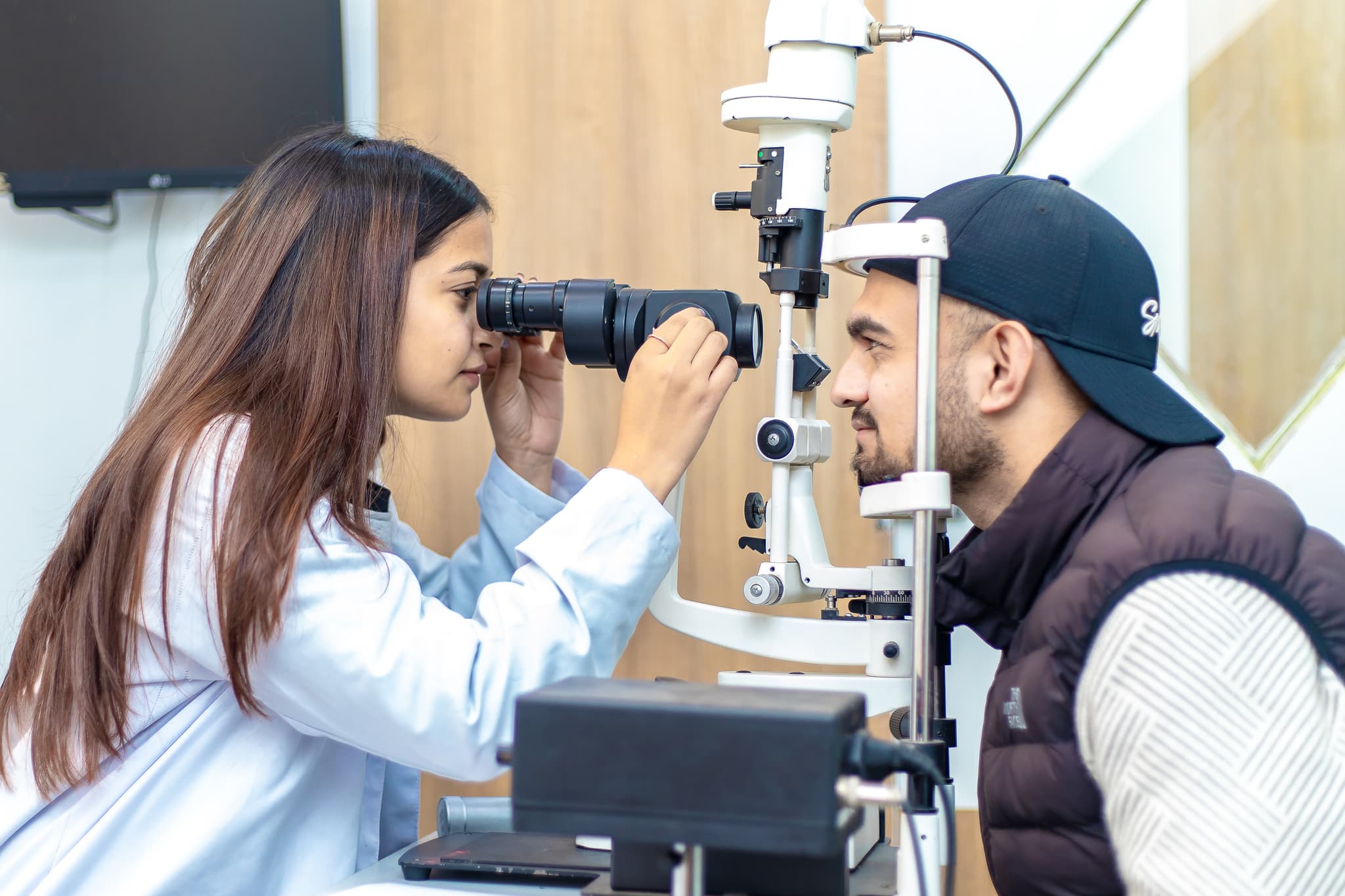
Before the sun rises over the hills, our medical team is already unpacking equipment in a village that has never had a doctor visit. By sundown, 200 patients will have been screened, diagnosed, and treated.
Most people will never see what happens inside a rural health camp. The logistics, the urgency, the quiet moments between a doctor and a patient who has waited years for this visit. This is what a single day looks like when one of Nivaran Foundation's 24 technical medical teams arrives in a remote municipality under Project Sanjeevani.
5:30 AM: Arrival and Setup
The team arrives before dawn. In many locations, there is no paved road to the camp site. Equipment is carried the last stretch on foot or loaded onto mules. The setup crew begins transforming a community building, a school courtyard, or an open field into a fully functional mobile clinic.
Five specialty stations are arranged in a logical flow: patient registration, general medicine, eye care, dental, and ENT. A separate area is designated for the portable laboratory. Tables are set up with diagnostic instruments, pharmaceutical supplies are organized by category, and portable X-ray and ultrasound machines are calibrated and tested.
Each team carries standardized equipment kits: lab testing supplies for blood work and urine analysis, pulse oximeters, blood pressure monitors, ophthalmoscopes, dental instruments, ENT diagnostic tools, and a full pharmacy of essential medicines. The goal is complete self-sufficiency. No patient should be turned away because of a missing supply.
6:30 AM: Community Health Workers Begin Outreach
While the medical team sets up, community health workers, many of them local women who have been coordinating with the team for weeks, begin door-to-door outreach. In many rural communities, residents are hesitant to visit a health camp. They may not understand what services are available, or they may face cultural barriers that discourage seeking medical care.
Female health workers are particularly important in communities where women need encouragement or permission to leave home for a medical visit. Dedicated time blocks for women's health screenings are communicated during this outreach, ensuring that women and girls know they will have private, comfortable consultations.
7:00 AM: Registration Opens
By the time registration opens, a line has already formed. Families walk for hours to reach the camp site. Elderly patients arrive supported by grandchildren. Mothers carry infants on their backs. Farmers take the day off from the fields, a significant sacrifice in communities where every day of labor matters.
At registration, each patient receives a unique identifier and a routing card that tracks their journey through the camp. Basic demographic information is recorded: age, gender, village of residence, and any known health conditions. This data is critical not just for the day's care, but for our long-term planning. The patient demographics and disease prevalence data collected during Phase I will directly inform where we place permanent Nivaran Health Centers in Phase II.
8:00 AM: General Medicine Station
The general medicine station is the busiest. A general practitioner conducts physical examinations, measures blood pressure, checks weight and height, and screens for chronic conditions. In rural Nepal, hypertension is widespread but almost never diagnosed. Patients learn for the first time that their headaches, dizziness, and fatigue have a treatable cause.
Blood samples and urine samples are collected and processed at the on-site laboratory. Pulse oximetry readings identify respiratory issues. Portable X-ray and ultrasound are available for patients who need imaging. For many, this is the most comprehensive medical examination they have ever received.
Patients with conditions requiring follow-up care are given detailed referral documentation, including contact information for the nearest district hospital and, where possible, financial assistance information for travel and treatment.
9:00 AM: Eye Care Station
At the eye care station, an ophthalmologist or trained ophthalmic assistant conducts vision screenings and refraction testing. In districts where no eye doctor has ever practiced, the backlog of undiagnosed conditions is enormous.
A 60-year-old farmer sits down for his first eye exam. His vision has been deteriorating for years. He assumed it was just aging. The screening reveals mature cataracts in both eyes. With a simple surgical procedure, his sight can be restored. Without it, he will be blind within two years. A referral is written, and the team helps coordinate his transport to a partner hospital for surgery.
Children receive vision screenings that often reveal refractive errors causing poor performance in school. A pair of corrective glasses can transform a struggling student into a thriving one. The connection between eye care and education is direct and measurable.
10:30 AM: Dental Station
The dental station handles patients who have never seen a dentist in their lives. Oral examinations reveal cavities, gum disease, and infections that have been causing pain for months or years. Basic treatments are provided on-site: fillings, extractions for severely damaged teeth, and cleaning.
But treatment is only half the work. Oral hygiene education is delivered to every patient. In communities where toothbrushes are uncommon and dental care is nonexistent, teaching proper brushing technique and explaining the connection between oral health and overall health is as important as the treatment itself.
12:00 PM: ENT Station
Ear, nose, and throat complaints are pervasive in high-altitude communities. Chronic ear infections are especially common among children, often caused by cold weather, poor ventilation in homes, and lack of treatment for minor infections that become chronic.
Hearing assessments identify children and adults with hearing loss that has gone undiagnosed. In a classroom setting, a child with undetected hearing loss falls behind academically. The parents assume the child is not intelligent or not motivated. A simple hearing test can reframe the entire situation and connect the family with treatment options.
2:00 PM: The Afternoon Push
By early afternoon, the team has seen over 100 patients. The pace does not slow. Late arrivals continue through the afternoon, including patients who walked for hours from more distant villages after hearing about the camp through word of mouth.
The pharmacy station dispenses medicines throughout the day: antibiotics, antihypertensives, pain management medications, chronic condition drugs, and basic first-aid supplies. Every prescription is logged, and patients receive clear instructions on dosage and duration, often delivered verbally because literacy rates are low.
5:00 PM: Final Patients and Teardown
The camp does not close until the last patient has been seen. In some locations, this means working past sunset. When the final patient leaves, the team begins breakdown. Equipment is cleaned, inventoried, and packed. Patient records are compiled and prepared for data entry into our central tracking system.
The team debriefs: how many patients were seen, what conditions were most prevalent, how many referrals were issued, what supplies need replenishment. This information feeds directly into our planning for future camps in the same province.
The Numbers Behind One Day
A single health camp day typically serves up to 200 patients with:
- Full physical examinations including blood pressure, weight, height, and pulse oximetry
- Vision screenings and refraction testing for every patient
- Dental examinations and basic treatments
- Hearing assessments and ENT consultations
- Blood tests and urine analysis processed on-site
- Portable X-ray and ultrasound for patients requiring imaging
- Medicines dispensed from our on-site pharmacy
- Referrals issued for follow-up care at district hospitals
Across 304 camps in Phase I, this adds up to 61,200 patients served across 52 districts and 252 municipalities. Each camp is not just a day of treatment. It is a data point that shapes the future of healthcare in that community.
Why This Matters
For the patients who attend a Nivaran health camp, this is often the only medical care they will receive all year. For many, it is the first medical examination of their lives. The value of that single day, a day that starts before dawn and ends after dark, cannot be measured in numbers alone.
But the numbers matter too. They tell us where the greatest needs are, what conditions are most prevalent, and where we should place permanent facilities in the years ahead. Every camp brings us closer to a healthcare system that serves all of Nepal, not just the cities.
Your support makes these days possible. Fund a health camp for as little as $500 and bring a full day of multi-specialty care to a village that has never had a doctor. Contact us to learn how you can volunteer or partner with our medical teams.
Support Our Mission
Help us deliver healthcare and education to Nepal's most underserved communities.