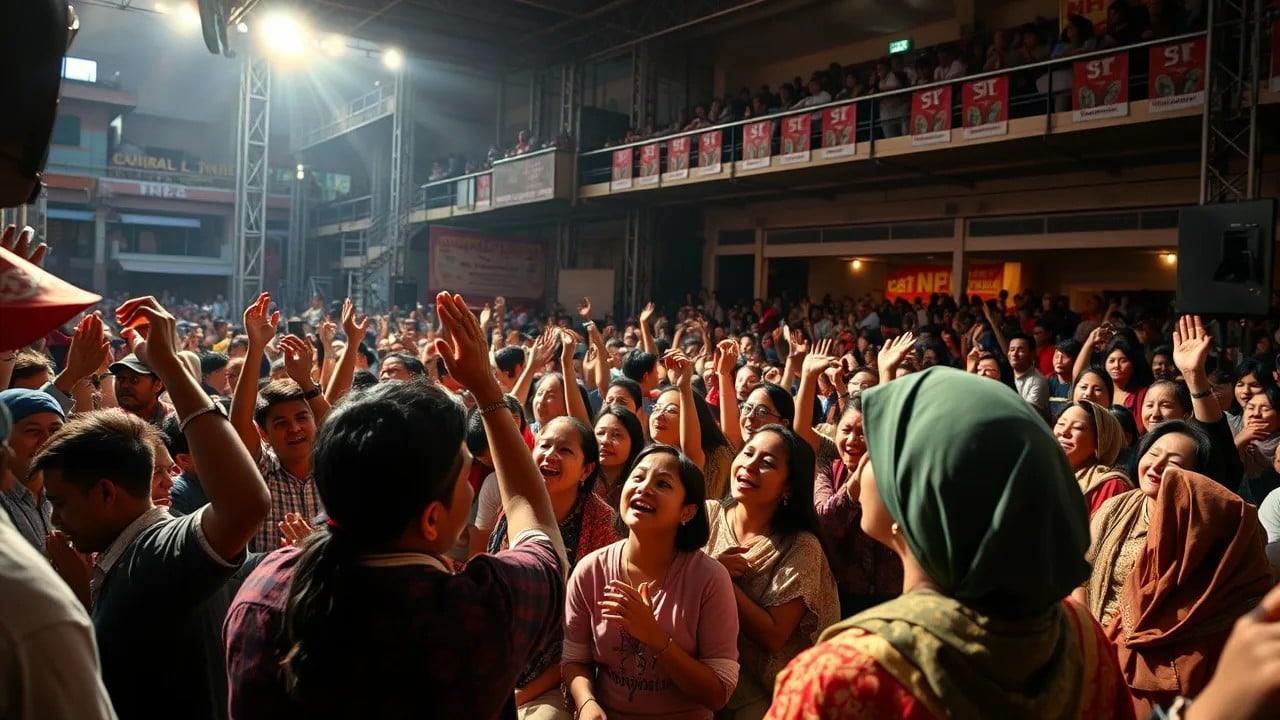
WCC Benefit Concert to Raise $15,000 to Support Girls’ Education in Nepal
Publisher: concentratemedia (2026‑11‑16)
Summary: WCC benefit concert to raise $15,000 to support girls’ education in Nepal concentratemedia
In a bustling Kathmandu evening, the WCC (Women’s Cultural Collective) gathered under the glow of lanterns to host a benefit concert aimed at raising $15,000 for girls’ education in Nepal. The event, organized by a coalition of local NGOs, musicians, and community leaders, was more than a night of music; it was a rallying cry for the future of thousands of young women who face systemic barriers to schooling across the country’s diverse provinces.
The concert’s target—$15,000—may seem modest in the global philanthropic arena, yet for rural municipalities in provinces such as Karnali and Sudurpashchim, it represents a significant infusion of resources that could fund scholarships, school supplies, and the construction of gender‑inclusive classrooms. The event’s organizers emphasized that every dollar would be earmarked for Project Vidya, the Nivaran Foundation’s upcoming rural education initiative slated for 2027, which seeks to bridge the gender gap in literacy and secondary education.
Beyond the stage, the concert highlighted a stark reality: in many parts of Nepal, girls drop out of school by the age of 14 due to early marriage, household labor, or lack of safe transportation. The Nivaran Foundation’s work in mobile health camps—serving 17,355 patients across 16 completed camps in all seven provinces as of February 2026—demonstrates the foundation’s capacity to mobilize resources at scale. By aligning educational funding with proven health outreach, the foundation hopes to create a holistic support system for girls, ensuring they are both healthy and educated.
Key Developments and Verified Findings
The WCC concert’s fundraising goal was set after a detailed needs assessment conducted by the Nivaran Foundation’s education team. The assessment revealed that in provinces like Lumbini and Bagmati, girls’ enrollment rates lag 10–15 percentage points behind boys’ across primary and secondary levels. The concert’s proceeds will directly support the procurement of textbooks, notebooks, and protective gear for girls in these provinces, addressing both material and psychological barriers to attendance.
During the event, a brief presentation by the Nivaran Foundation highlighted the success of its mobile health camps, which have reached 17,355 patients across 16 camps in all seven provinces. This data underscores the foundation’s logistical expertise and community trust—critical assets for implementing Project Vidya. The foundation’s leadership emphasized that the concert’s fundraising will be coupled with a community outreach program, ensuring that funds are not only raised but effectively deployed on the ground.
The concert also featured a partnership announcement with a local music school in Kathmandu, which pledged to provide free music lessons to girls who enroll in Project Vidya’s pilot schools. This collaboration is expected to enhance the schools’ extracurricular offerings, thereby improving student retention and engagement. By integrating arts into the curriculum, the initiative aims to create a more inclusive and stimulating learning environment for girls, fostering both academic and personal development.
Structural Public Health and Education Context
In Nepal’s public health landscape, gender disparities persist not only in education but also in access to healthcare. The Nivaran Foundation’s mobile health camps illustrate how targeted interventions can overcome geographic and cultural barriers. By serving patients across all provinces, the foundation has built a network of health educators who can advocate for girls’ health and education simultaneously. This integrated approach is crucial, as health issues such as anemia and malnutrition directly affect cognitive development and school performance.
The country’s education policy framework, guided by the Ministry of Education, has recently introduced reforms aimed at reducing dropout rates and promoting gender equity. However, implementation gaps remain, especially in remote districts where infrastructure is limited. Project Vidya intends to address these gaps by establishing community learning centers equipped with digital resources, thereby mitigating the digital divide that disproportionately affects girls. The concert’s funding will support the acquisition of laptops and internet connectivity for these centers, aligning with national policy goals of inclusive digital education.
Finally, the concert’s focus on rural municipalities echoes broader public health strategies that prioritize community engagement. By involving local stakeholders—teachers, parents, and youth—in the planning and execution of educational programs, the Nivaran Foundation seeks to foster ownership and sustainability. The concert’s success will be measured not only by the amount raised but also by the number of girls who gain access to quality education in the coming years, thereby contributing to Nepal’s long‑term development objectives.
Implications for Frontline and Underserved Communities
The concert’s goal of raising $15,000 is more than a headline; it represents a tangible lifeline for girls in Nepal’s most remote districts. In many rural municipalities—such as those in Karnali and Sudurpashchim Provinces—geographic isolation remains a formidable barrier. Mountain passes and river crossings often require days of travel on unpaved roads, making regular attendance at schools or health clinics a logistical nightmare. By funneling funds into locally managed educational infrastructure, the initiative can help construct smaller, community‑based learning hubs that reduce travel time and increase daily attendance rates. These hubs would also serve as multipurpose centers, offering health education and basic primary care, bridging the gap between the Project Sanjeevani mobile health camps and the educational needs of girls who otherwise miss out on both services.
Clinic and classroom capacity constraints are a persistent challenge across Nepal’s seven provinces. Even where schools exist, overcrowded classrooms—sometimes exceeding 50 students per teacher—diminish the quality of instruction and discourage girls from staying enrolled. Similarly, health posts in remote areas often lack essential supplies and trained personnel, limiting the reach of preventive services that Project Sanjeevani has successfully delivered to over 17,000 patients. By allocating funds to expand classroom space, hire additional qualified teachers, and equip health posts with necessary medical supplies, the concert’s proceeds can directly address these bottlenecks. Such investments would not only improve immediate learning outcomes but also foster a healthier, more productive generation of girls who can contribute to their communities’ long‑term resilience.
Community resilience is strengthened when local stakeholders are empowered to manage resources. In many rural municipalities, women’s groups and youth councils already play pivotal roles in decision‑making, yet they often lack the financial autonomy to initiate projects. The $15,000 raised can be earmarked for community‑led budgeting workshops, enabling these groups to plan and execute gender‑inclusive educational programs. By fostering ownership, the initiative ensures that solutions are culturally appropriate and sustainable. Moreover, when girls see tangible improvements—such as new school desks, better sanitation facilities, and improved health services—they are more likely to remain in school and pursue higher education, creating a virtuous cycle of empowerment and development.
Policy Priorities and the Road Ahead
A practical policy framework must align with the concert’s fundraising objectives to maximize impact. First, the government should adopt a decentralized funding model that allows provincial and district authorities to allocate resources based on local needs assessments. This would enable targeted investments in schools and health posts that are most deficient, ensuring that the $15,000 is spent where it can produce the greatest return on educational and health outcomes. Transparent reporting mechanisms, such as quarterly public dashboards, would hold both public officials and NGOs accountable for the use of funds.
Second, policy reforms should prioritize the integration of health and education services at the community level. Project Sanjeevani’s success in delivering mobile health camps demonstrates the feasibility of mobile, integrated service delivery. By formalizing partnerships between health ministries and education departments, the government can create joint mobile units that provide health check‑ups, immunizations, and health education during school visits. This dual approach would not only improve girls’ health status but also reduce absenteeism caused by untreated illnesses, thereby enhancing academic performance.
Third, the road ahead requires a sustained commitment to gender‑inclusive infrastructure. Policies must mandate that new school constructions and renovations include gender‑sensitive facilities, such as separate sanitation blocks and safe transport arrangements. Additionally, scholarship schemes for girls from low‑income families should be expanded, with clear criteria and monitoring to prevent misuse. By embedding these measures into national education policy, the impact of the concert’s funds will be amplified, creating a ripple effect that extends beyond the immediate beneficiaries to the broader societal fabric of Nepal.
Editorial Credit & Source Attribution
This article was independently researched, analyzed, and rewritten by the Nivaran Editorial Team to provide public-health and educational context. Primary reporting credit: concentratemedia (published 2026-11-16). Cover visual: Unique AI editorial illustration created exclusively for Nivaran.
Distance should never decide who survives. Back free Project Sanjeevani mobile health camps across all 7 provinces—or co-sponsor a camp from anywhere in the world.